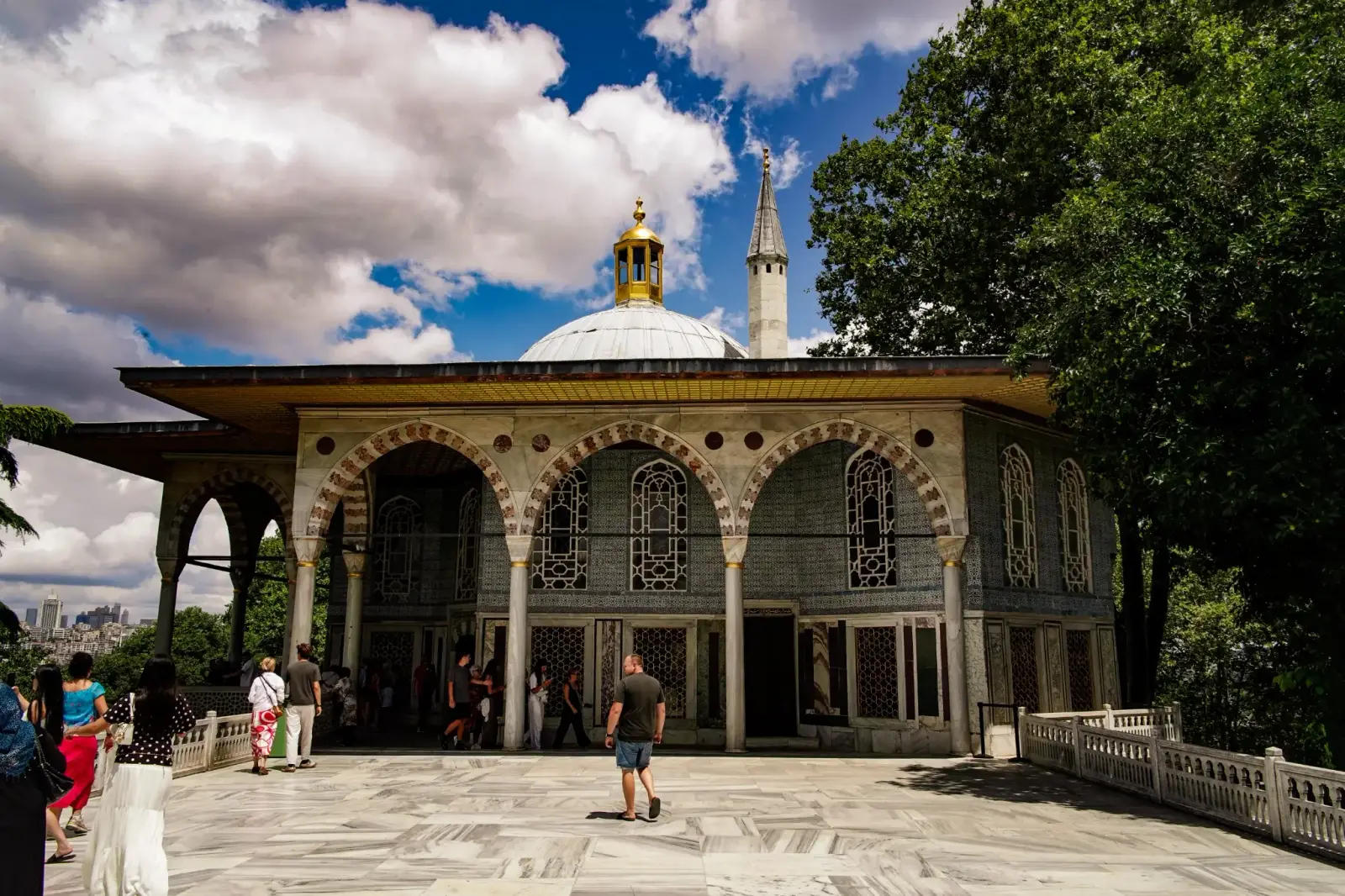
Hi, I'm Илья — and the afternoon Istanbul got me
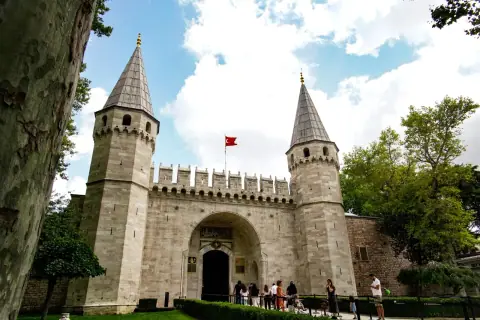
A solitary walk through the tiled pavilions of Topkapı Palace and a quiet dinner along the stone walls of Soğuk Çeşme Street convinced me to start keeping this journal.
Hi, I'm Илья. In Saint Petersburg, I spend my working weeks designing books—obsessing over typography, paper weights, grid systems, and the quiet breathing room of wide margins. I grew up along cold granite embankments and damp northern canals, so grand waterfronts and shifting grey skies have always felt like home to me. But several times a year, I pack a camera bag with a couple of vintage manual lenses and catch a flight south to Istanbul. Sometimes my wife joins me for long, wine-soaked dinners in Kadıköy; other times I wander solo through back alleys, letting my lens focus on worn marble thresholds and Ottoman ironwork.
For a long time, my trips existed only as rolls of digital negatives and scattered memories. The day that changed everything—the day that made me buy a blank notebook and start recording my walks in detail—was an overcast autumn afternoon spent lingering across the Historic Peninsula.
The Layered Courtyards of Topkapı
I started that morning at Topkapı Palace, passing through the outer gates with my camera slung across my chest. As someone who thinks constantly about pacing and sequence in book layout, Topkapı felt familiar in an unexpected way. It does not hit you with one massive, overwhelming facade like a European palace. Instead, it unfolds sequentially as a series of four distinct courtyards, each one quieter, more secluded, and more intimate than the last.
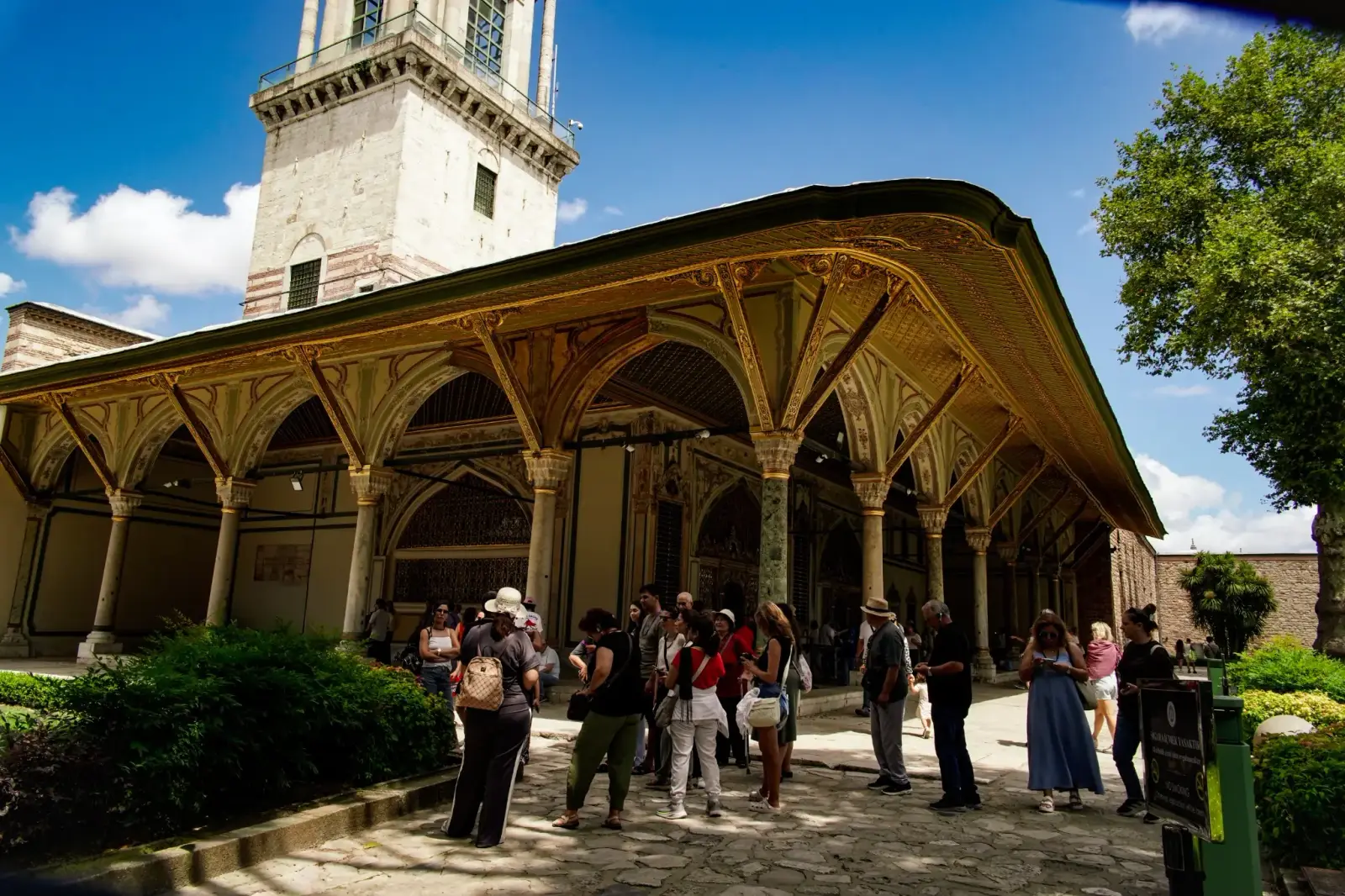
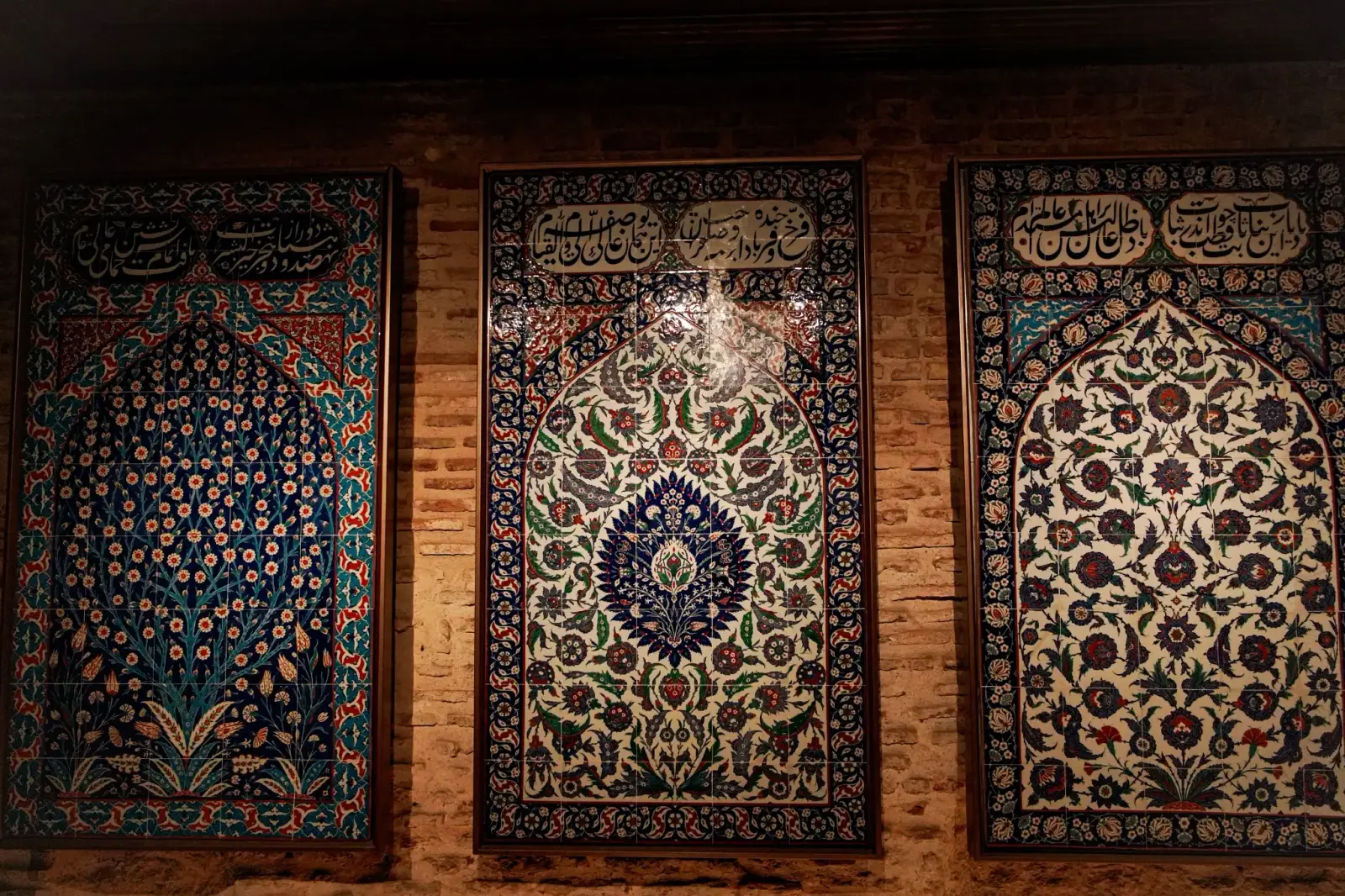
I lingered under the broad portico of the Imperial Council Hall, admiring how the delicate gilt scrollwork caught the soft daylight. From there, I wandered deep into the Harem apartments and the surrounding pavilions. What held me captive was the ceramic tilework. Entire walls of sixteenth-century İznik tiles stretched out before me—intense cobalt blues, sage greens, and that raised, coral-red slip that modern potters still struggle to replicate. Up close, I could see the slight hand-painted variations in the tulip and carnation stems, every stroke showing the individual breath of an artisan who worked hundreds of years ago.
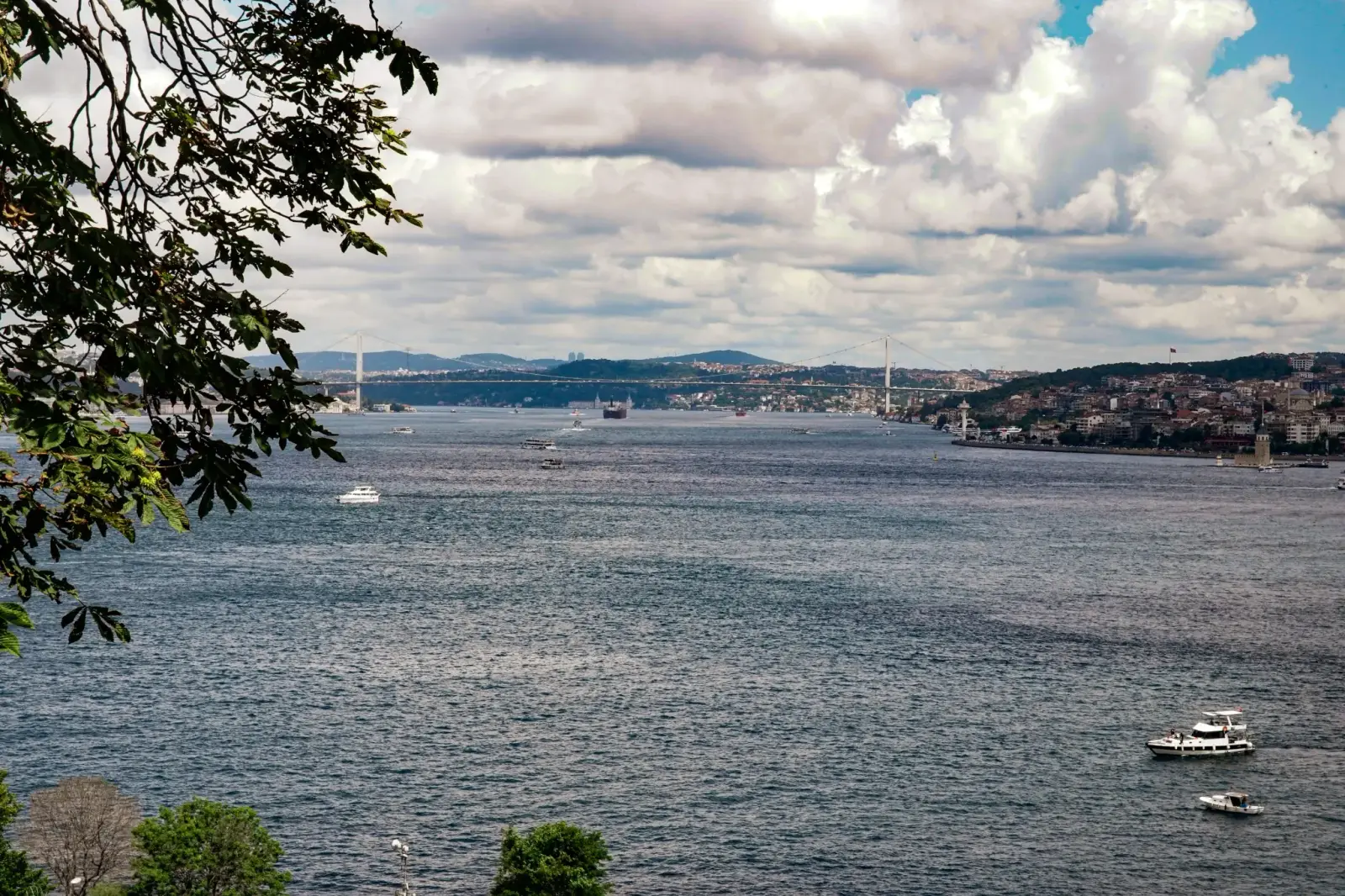
I spent hours drifting through the kitchens and the quiet pavilions of the fourth courtyard. Eventually, I came out onto the open marble terrace at the edge of the promontory. The damp wind came straight off the water. Below me, the Golden Horn met the Bosphorus and opened into the Sea of Marmara, with cargo ships sliding past the silhouette of the Asian shore. Standing there against the cold marble balustrade, watching the water churn beneath the palace walls, I felt the sheer geographical weight of this city settle into my bones.
An Evening by the Palace Walls
By late afternoon, the light had turned slate grey, and my legs were aching from hours on uneven stone slabs. I left the palace grounds and slipped into Soğuk Çeşme Street, a quiet cobbled lane tucked right against the colossal outer stone walls of Topkapı Palace. The old wooden Ottoman houses leaning against the masonry always feel insulated from the main tram line just a short distance away.
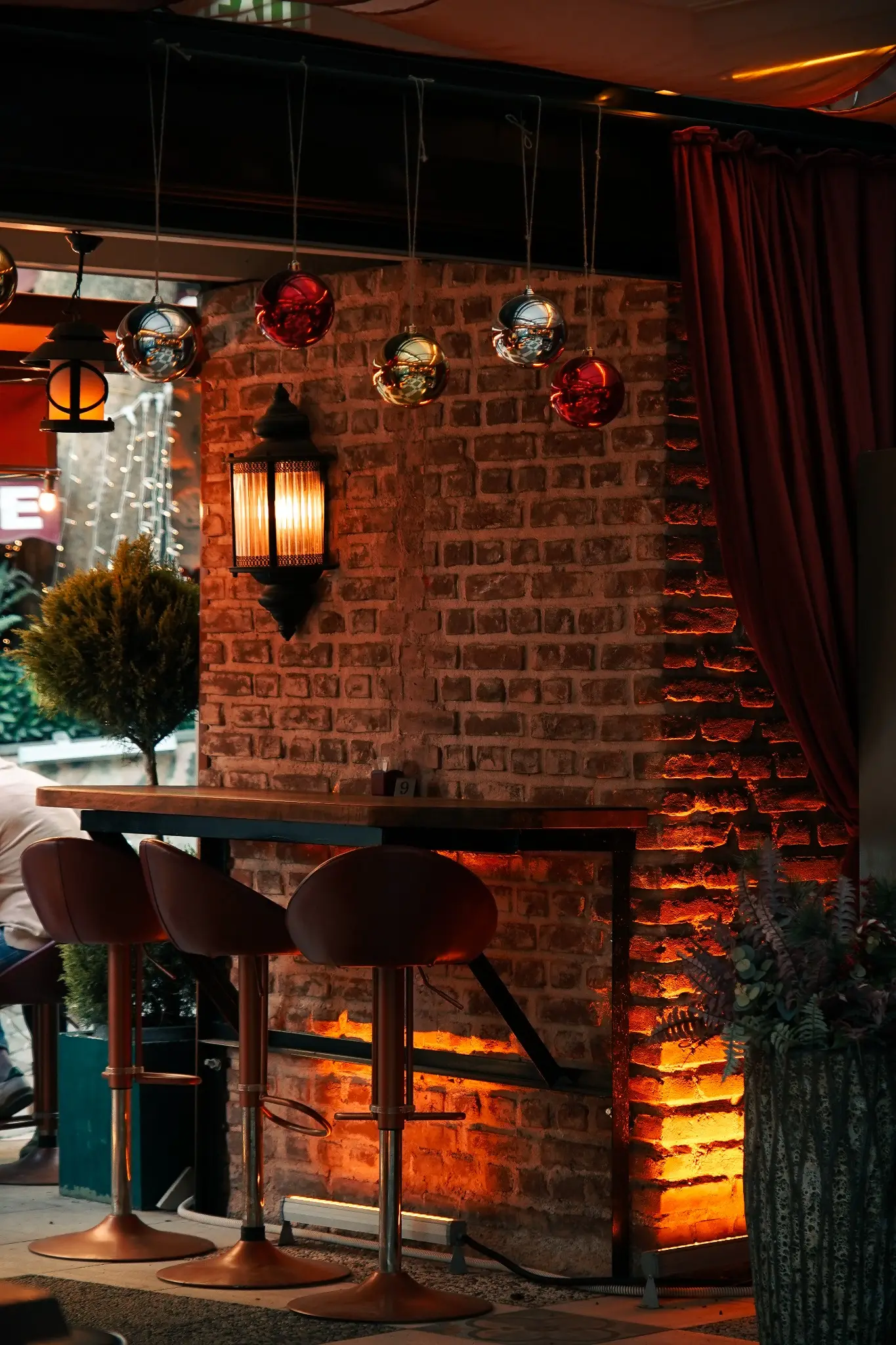
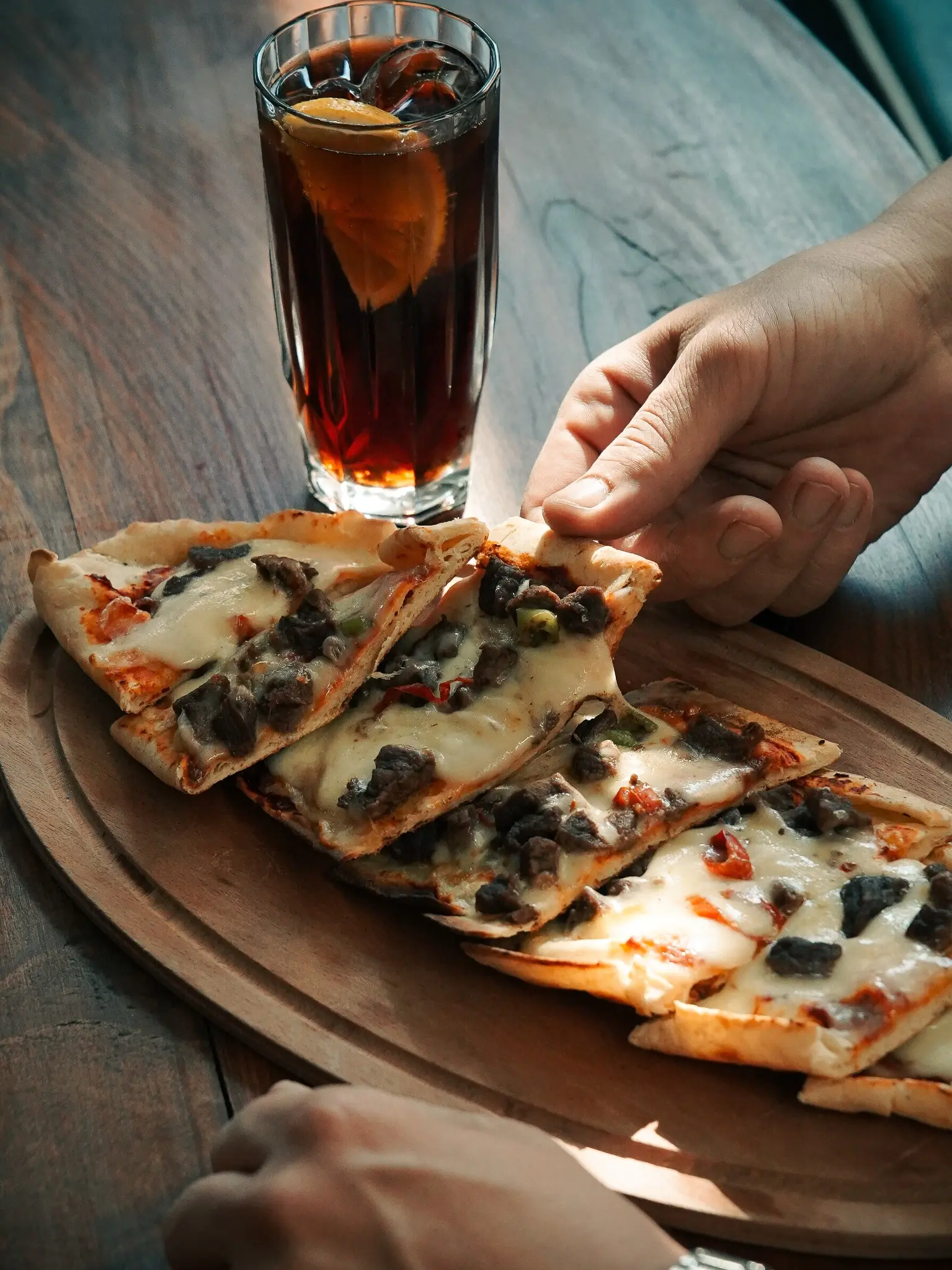
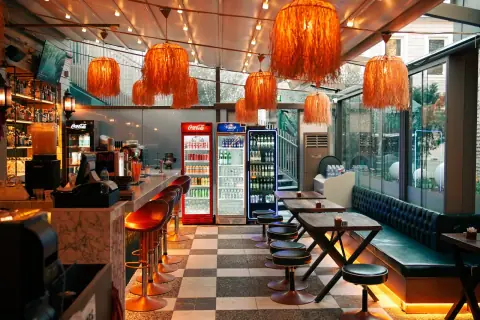
I turned into Chimney Bistro, a welcoming spot I had spotted earlier near the corner of the lane. Stepping inside felt like finding shelter after a long hike. The warm glow of the brick bar and the timber ceiling took the chill off my hands instantly. I chose a quiet table near the open roof section, ordered a hot plate of spiced beef pide and a glass of red wine, and finally took out the notebook I had carried in my pocket all day.
The food arrived piping hot, with crisp, blistered edges and rich, fragrant minced meat, accompanied by a clean glass of local wine. Sitting in that warm brick corner while the evening deepened over the ancient masonry outside, I began sketching the tile motifs I had photographed and writing down the names of the courtyards before they could fade from my head.
That was the turning point. I realized that Istanbul is not a city you can simply visit and leave behind; it demands to be studied, drawn, and remembered in layers. This diary is simply where those days live.